
Generational Poverty: Understanding the Cycle & How it can be Broken
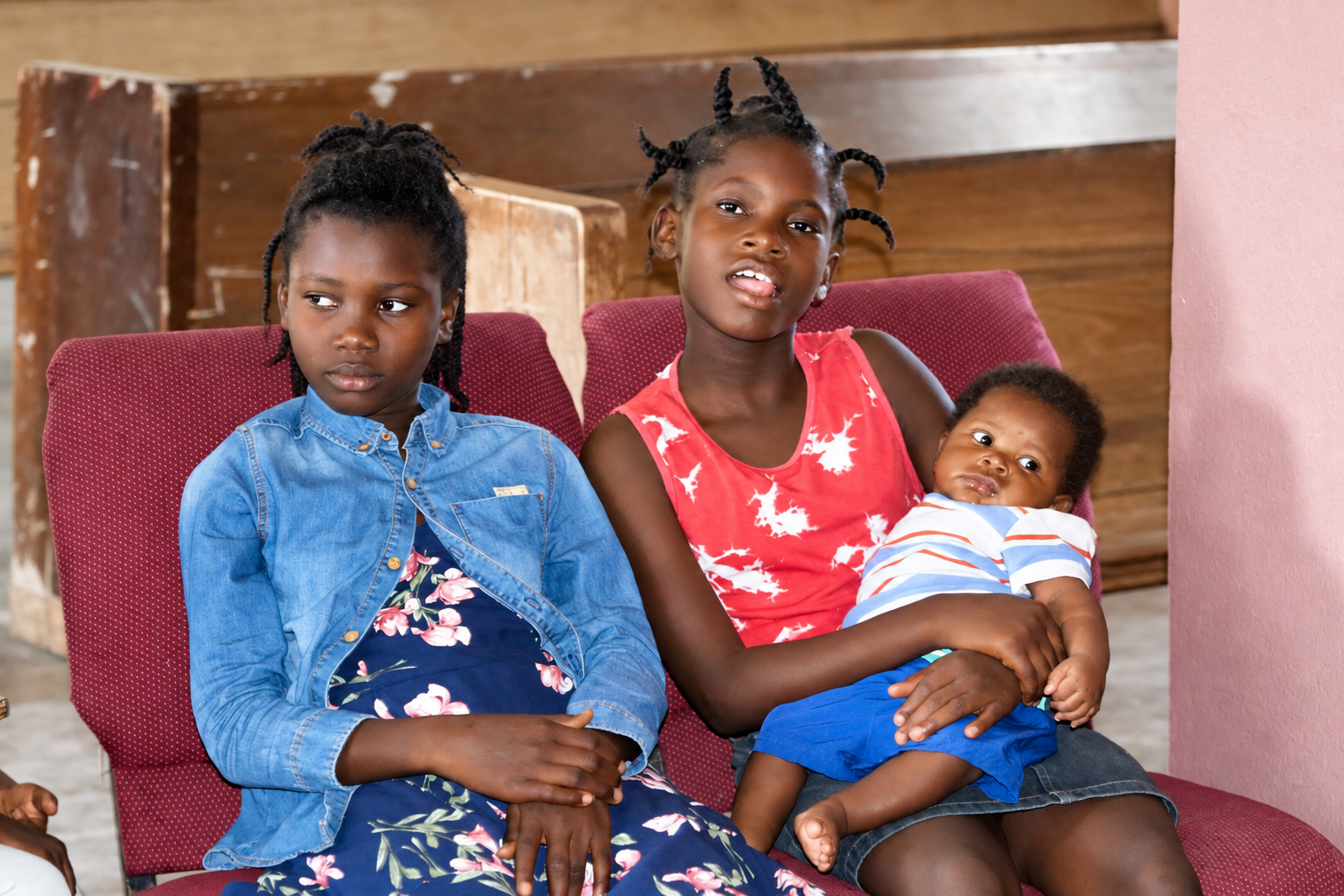
Poverty Is More Than an Income Number
When we hear the word poverty, money is usually the first thing that comes to mind. Income matters, of course. But a family's circumstances are often shaped by much more than what is in a bank account.
For a child, poverty can affect access to education, nutritious food, healthcare, clean water, sanitation and safe housing. UNICEF reports that more than one in five children in low and middle-income countries experience severe deprivation in at least two areas essential to their health and development.
The United Nations Development Program looks at poverty in a similarly broad way. Its Multidimensional Poverty Index measures overlapping challenges related to health, education and standards of living, including school attendance, nutrition, drinking water and sanitation.
These challenges rarely exist separately. A child who regularly misses school may have fewer educational opportunities later. A parent dealing with untreated illness may find it harder to earn a consistent income. A family without reliable access to water may spend time each day meeting a basic need that many of us rarely have to think about.
Over years, those circumstances can shape the opportunities available to the next generation. That is what people often mean when they talk about a cycle of poverty.
Lasting Change Takes Time
There is no single program that can solve something this complex. Real progress usually comes through many small, consistent investments working together.
A child stays in school.
A parent learns a marketable skill.
A family gains better access to healthcare.
A community leader receives the support needed to strengthen something already working locally.
Over time, those opportunities can begin opening new doors. This is why True Shepherd Foundation focuses on sustainable solutions through education, healthcare and trade skills. Our goal is to equip people with knowledge and practical experience they can continue using long after a single program or project ends.
Sustainability and empowerment are central to our values because we want the people we serve alongside to remain at the center of their own progress.
What Helps Break the Cycle?
There is no universal formula, but several areas consistently matter.
Education can expand future opportunities, vocational training can give adults and young people practical skills they can use to earn an income, healthcare can help people stay healthy enough to work, learn and care for their families, access to safe water and sanitation supports the health of an entire community and strong local leadership helps make progress sustainable.
The UNDP's own measure of multidimensional poverty reflects how closely these areas are connected. Education, health, water, sanitation and living conditions all contribute to a fuller picture of whether families have the opportunity to thrive.
For True Shepherd, faith is woven through all of it.
We believe every person carries God-given dignity and potential. Our responsibility is to serve with compassion, steward resources wisely and walk alongside communities as they build stronger futures.
Generational challenges are rarely undone in a single year. We believe there is still great reason for hope.
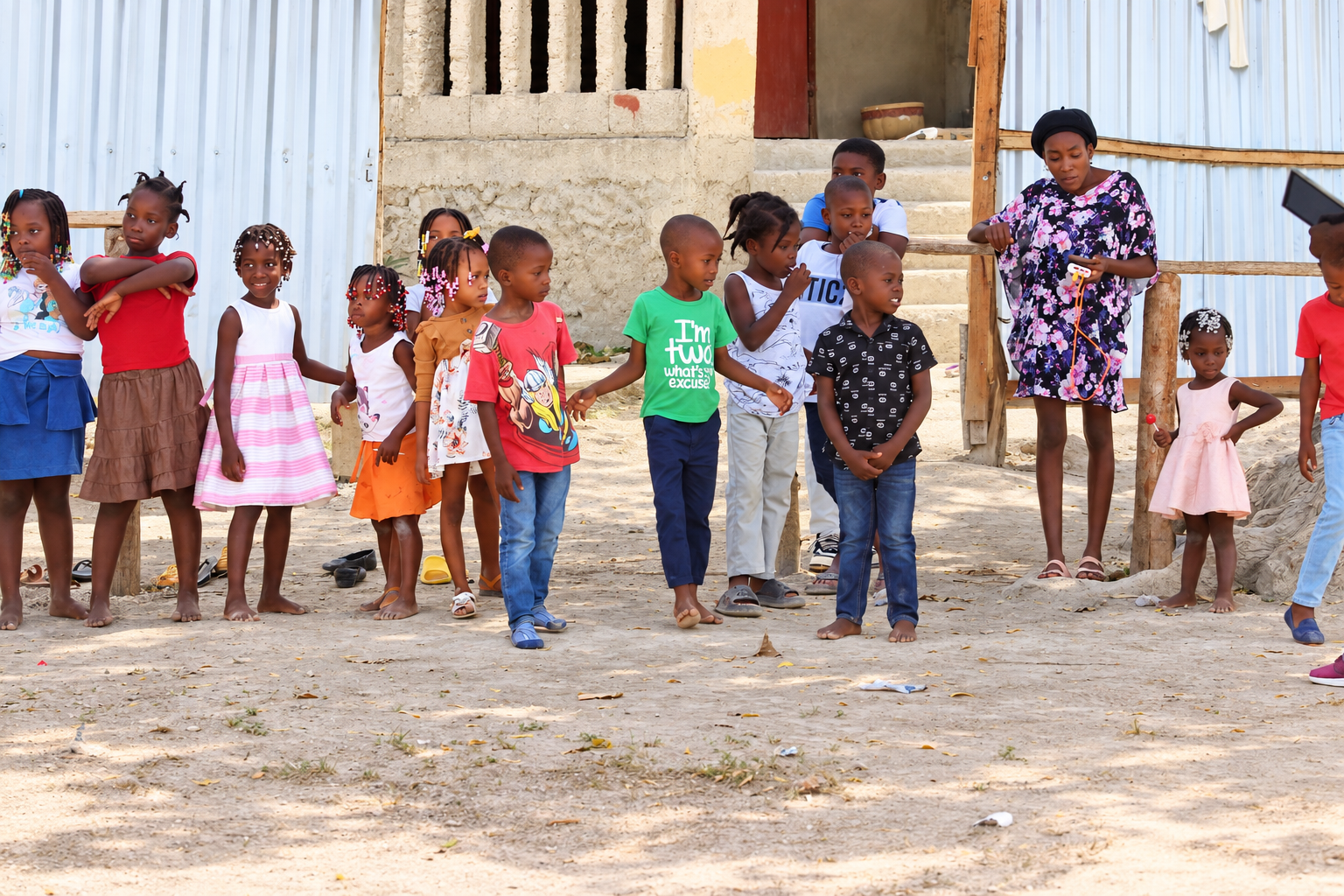
A student learning today can become a leader tomorrow. A skill learned by one person can strengthen a family. A stronger family can influence another generation.
That is why we continue showing up.
Sources
- UNICEF, The State of the World's Children 2025: Ending Child Poverty — https://www.unicef.org/reports/state-of-worlds-children/2025
- UNICEF, global child poverty data — https://www.unicef.org/press-releases/more-400-million-children-globally-live-poverty-missing-out-least-two-daily-needs
- UNDP, 2025 Global Multidimensional Poverty Index — https://hdr.undp.org/content/2025-global-multidimensional-poverty-index-mpi
- True Shepherd Foundation Mission & Programs — https://trueshepherdfoundation.org/
